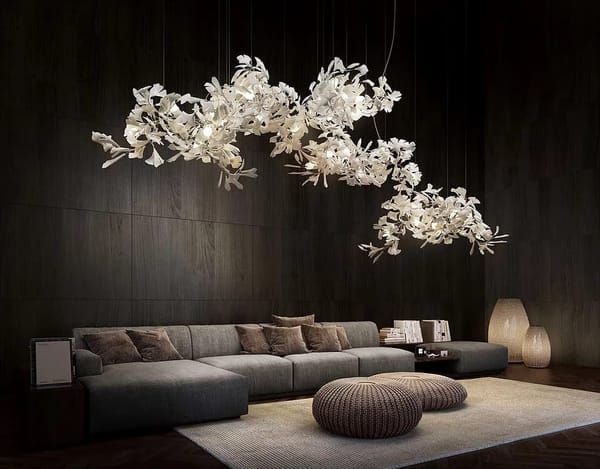

Japandi: The Art of Imperfect Minimalism
In an era defined by noise and digital clutter, the home has returned to its primal role: a sanctuary. Enter Japandi, the design movement that doesn't just ask us to declutter, but to rethink our relationship with the objects we own.
A Dialogue Between East and West
Japandi is not merely a portmanteau of 'Japan' and 'Scandi'; it is a philosophical dialogue between two cultures that prioritize simplicity. While Scandinavian design leans towards hygge (coziness) and functionality, Japanese design is rooted in wabi-sabi—the acceptance of transience and imperfection.
"Japandi is the sweet spot where the rustic warmth of the Nordics meets the Zen aesthetics of the East."
When these two merge, the result is a home that feels clean but not sterile, warm but not cluttered. It is minimalism with a human touch.

Key Design Principles
To achieve this look, one must exercise restraint. The palette is the first step:
- Warm Neutrals: Move away from stark clinic whites. Think oatmeal, beige, stone, and cream.
- Contrast: Use black or dark charcoal accents to ground the space, a technique borrowed from Japanese calligraphy.
- Natural Materials: Unfinished wood, bamboo, rattan, and linen are essential.
The Low Profile
Japanese interiors often maintain a connection to the earth. In a modern Western home, this translates to low-slung furniture. A platform bed or a sofa with a low back height opens up the vertical space of a room, allowing light to travel freely and creating a sense of airiness.
Embracing Imperfection
Do not hide the cracks in your ceramics or the knots in your timber. In Japandi, these are marks of life. A handmade clay vase with an uneven rim is infinitely more valuable to the atmosphere of a room than a mass-produced, perfectly symmetrical glass vessel.